
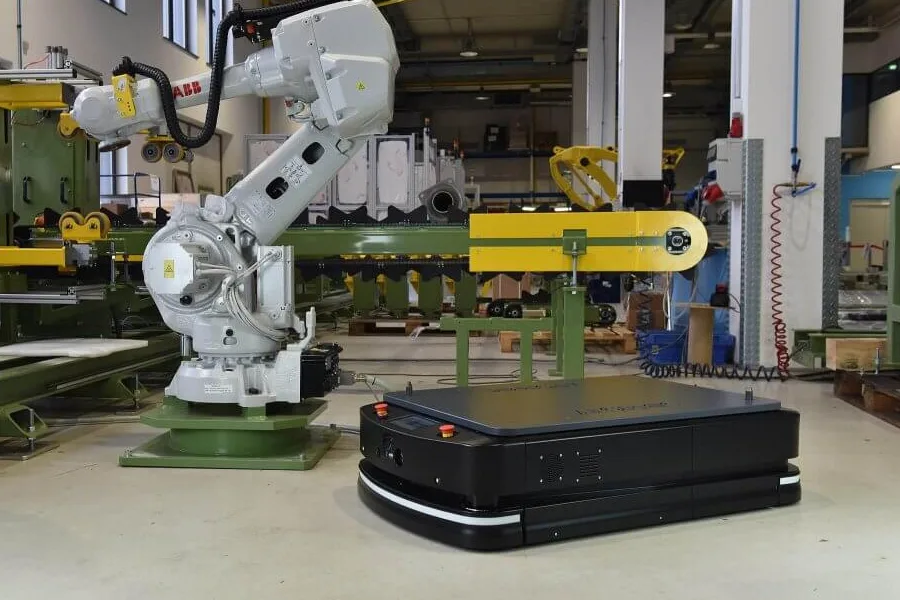
Industrial · Systems
Industrial Wireless Charging Systems
Turnkey 1.5kW–6kW wireless charging systems for AGVs, AMRs, forklifts and mobile robots.
SYSTEM · DC 18-60V/30A
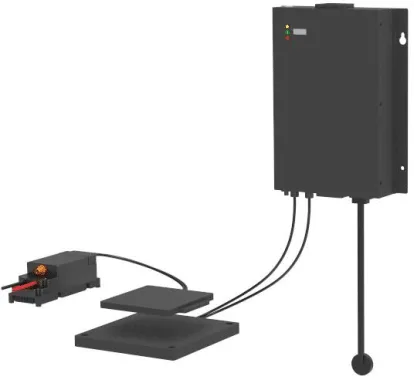
LC180-A30 — 1.5kW System
Universal-input turnkey system for 24V/36V/48V platforms
SYSTEM · DC 42-58V/60A
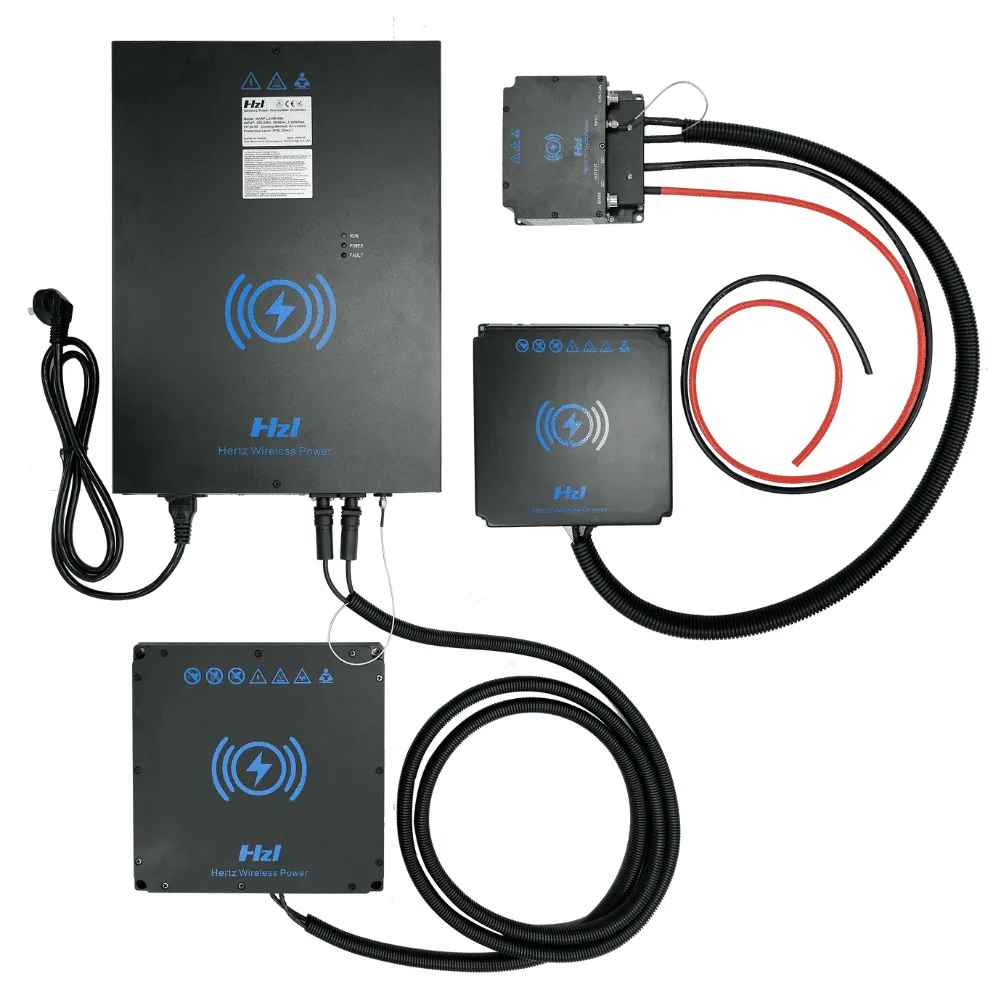
LS300-A60 — 3kW System
Heavy-duty contactless charging for AGVs and forklifts
SYSTEM · DC 15-60V/100A
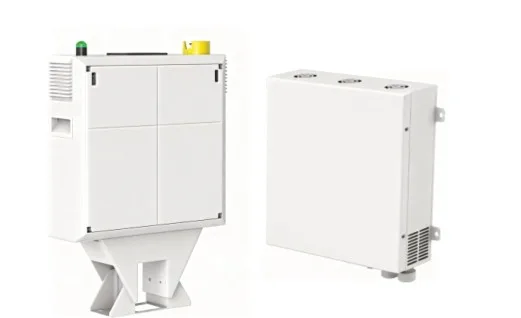
LC600-A100 — 6kW System
Our most powerful charger — 6kW for heavy industrial fleets
Custom
Engineered around
your application
Battery, enclosure, environment — we design the charging solution to fit. Start the conversation →
High-power industrial wireless charging systems for AGVs, AMRs and robots
An industrial wireless charging system transfers power to a vehicle or robot through an air gap — no plugs, no contacts, no human intervention. The vehicle simply parks over a charging pad and charging starts automatically. This makes wireless charging the natural fit for opportunity charging strategies: frequent, short top-ups at existing stops keep fleets running around the clock.
ONEPOINTECH turnkey systems cover 1.5kW, 3kW and 6kW with wide output ranges for 24V, 36V and 48V-class battery platforms. Every system communicates over CAN / RS485 for fleet-manager and BMS integration, and every unit can be configured within range to match your battery specification.
Compare the systems
All three share the same architecture — choose by power class and battery platform.
| LC180-A30 | LS300-A60 | LC600-A100 | |
|---|---|---|---|
| Continuous power | 1.5kW | 3kW | 6kW |
| Charging voltage | 18–60V | 42–60V | 15–60V |
| Charging current | 30A Max | 60A Max | 100A Max |
| Optimum distance | 10–30mm | 20–45mm | 20–60mm |
| Position tolerance | ±40mm | X ±50mm · Y ±30mm | ±30mm |
| Protection class | IP65 / IP54 | IP65 / IP54 | IP20 |
| Communication | CAN / RS485 | CAN / RS485 | CAN / RS485 |
| Best for | AGVs, AMRs, service robots | AGVs, forklifts, warehouse vehicles | Heavy AGVs, high-throughput fleets |
Why fleets switch to contactless charging
Opportunity charging
Top up at every stop instead of dedicated charging breaks — smaller batteries, higher fleet utilization, true 24/7 operation.
No contacts, no wear
Sealed charging pads replace brushes, pins and connectors. Nothing to corrode, spark, or replace on a maintenance schedule.
Misalignment tolerant
±30–50mm position tolerance means robots park naturally — no precision docking hardware or perfect drivers required.
Automatic operation
Charge start and stop are fully automatic. Zero worker intervention, zero forgotten plugs, zero downtime from dead batteries.
Fleet & BMS integration
CAN / RS485 communication reports charging state, faults and energy data to your fleet manager and battery management system.
Global deployment
Universal AC input for any region. LC180 and LS300 systems are UL / CSA / FCC / CE / RoHS / REACH certified.
From inquiry to a running fleet
- 01
Share your platform
Battery voltage and capacity, vehicle type, route pattern and target charge time — a short brief is enough.
- 02
System recommendation
We match a power class and configuration to your battery, and confirm communication and mounting details.
- 03
Pilot installation
Test a single charging point with one vehicle. Validate charging time, alignment behavior and fleet integration.
- 04
Fleet rollout
Scale to your full site with installation documentation, commissioning support and spare-part supply.
Frequently asked questions
What battery voltages do your systems support?
+
The LC180-A30 covers 18–60V output, the LS300-A60 covers 42–60V and the LC600-A100 covers 15–60V — together they serve virtually all 24V, 36V and 48V-class lithium and LiFePO4 battery platforms. Output voltage and current are configured within range to your battery specification.
How does opportunity charging work with wireless systems?
+
Charging pads are installed where vehicles already stop — pick stations, loading points, parking spots. Every stop becomes a short charging session, so the battery stays in a healthy state of charge all day and the fleet never leaves service to recharge.
What happens if the robot parks off-center?
+
Our systems tolerate ±30–50mm of horizontal misalignment depending on model. The robot parks with normal navigation accuracy and charging proceeds at full power — no precision docking mechanism is needed.
Can the charger talk to our fleet management system?
+
Yes. CAN and RS485 interfaces are standard. Charging status, current, voltage, temperature and fault codes can be reported to your fleet manager or BMS for monitoring and automation.
Do you support pilot projects before volume orders?
+
Yes — most customers start with one system for engineering evaluation. We support the pilot with configuration help and integration documentation, then scale to fleet quantities with production pricing.
Questions about this solution?
Our team answers within one business day — tell us your application and we will recommend a solution.