
Match real charging modes
List target phones, tablets and laptops. Identify the USB PD profiles and any PPS, AVS or EPR requirements.
GaN chargers · OEM / private label
USB-C charging built around your brand.
Explore 20W–140W wall chargers with ONEPOINTECH. Choose the power, ports and plug market your customers need—then discuss branding, samples and volume supply.
For brands, distributors, accessory sellers and corporate procurement teams.
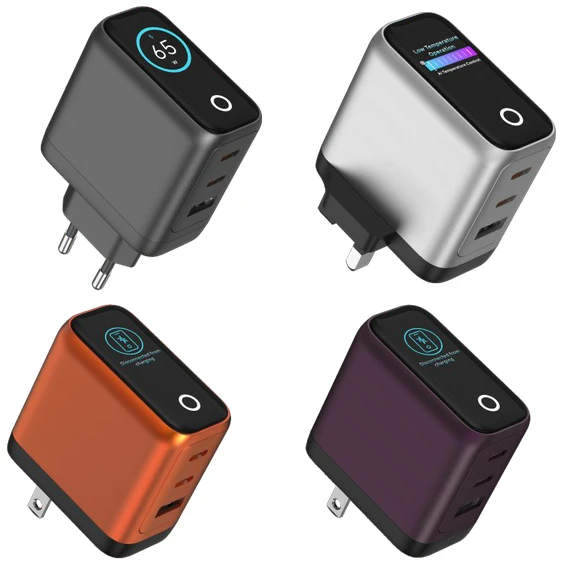 OPT-W011 · 65W GaN · TFT display
Start with the use case
GaN enables compact power designs, but your customers buy a charging experience: the right speed for their devices, enough power when several ports are used, and a format that suits their desk or travel bag. We help you turn those requirements into a charger enquiry that can be evaluated and quoted.
List target phones, tablets and laptops. Identify the USB PD profiles and any PPS, AVS or EPR requirements.
Define which devices must charge together and how much power each port must provide in that combination.
Include plug format, cable, branding, packaging, documentation and launch requirements.
A focused starting point
Start with the format that suits your customers, then confirm output profiles, plug options and volume requirements.
Wall charger collection
Compare 30 wall-charger models: compact PD adapters, GaN multi-port designs, digital displays, retractable cables and combined wired/wireless formats. Request the selected configuration for your market.
35W–140W-class options for phone, tablet and compatible laptop ranges.
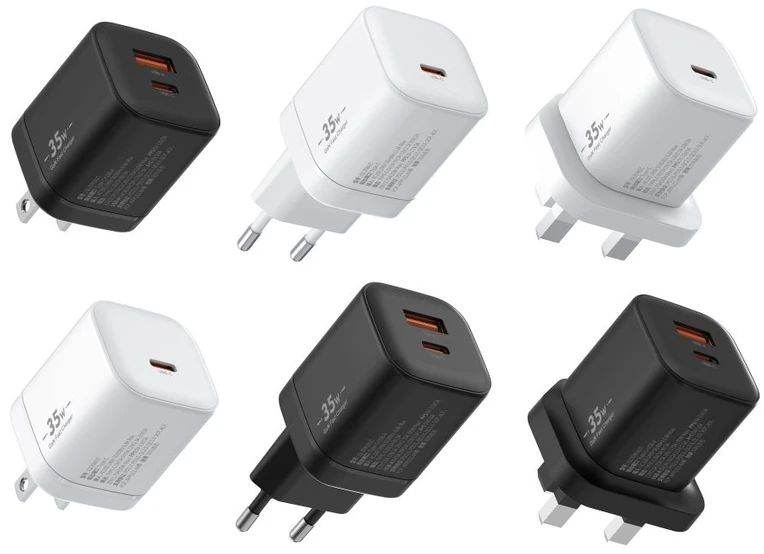
Model OPT-W001
USB-C or USB-C + USB-A
Compact multi-device accessory range
Starting from ~$3.24
Request this model →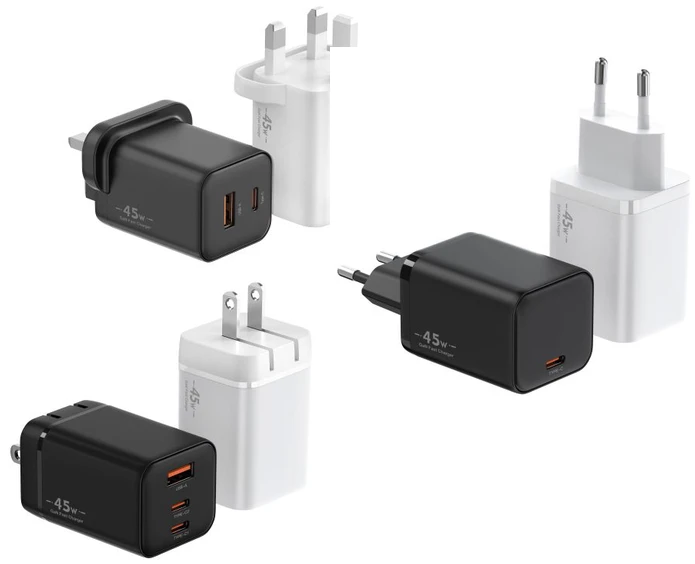
Model OPT-W002
USB-C, dual USB-C or USB-C + USB-A
Multiple port and plug configurations
Starting from ~$3.68
Request this model →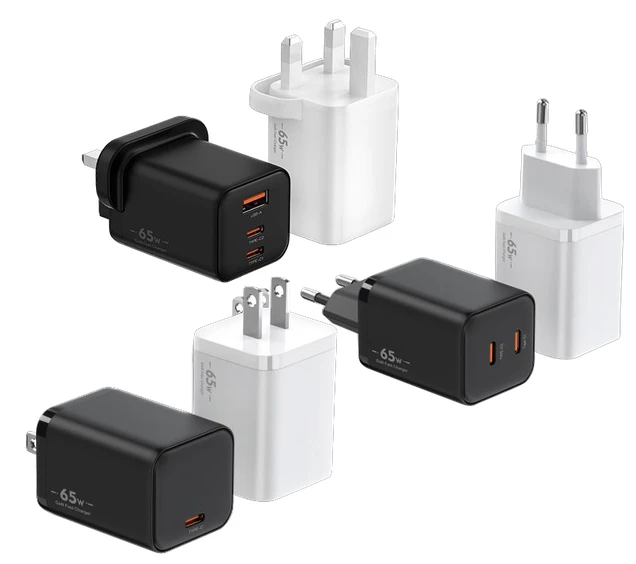
Model OPT-W003
USB-C, dual USB-C or USB-C + USB-A variants
Up to 2 × USB-C + USB-A by configuration
Starting from ~$4.37
Request this model →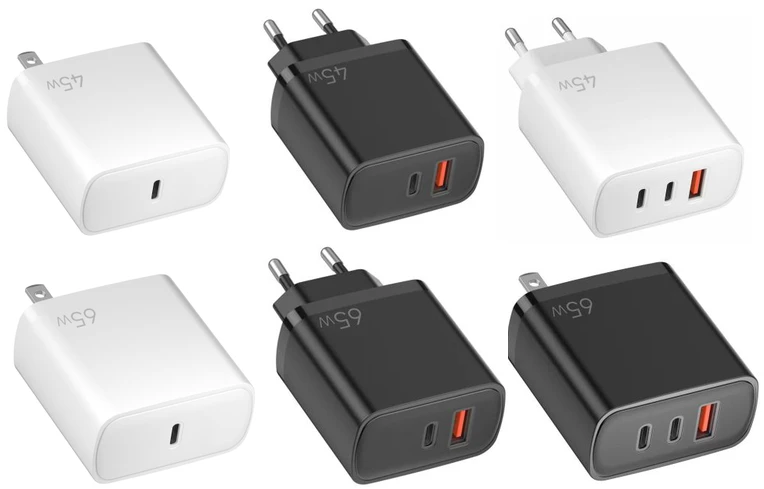
Model OPT-W004
USB-C and USB-C + USB-A variants
Up to 2 × USB-C + USB-A by configuration
Starting from ~$3.32
Request this model →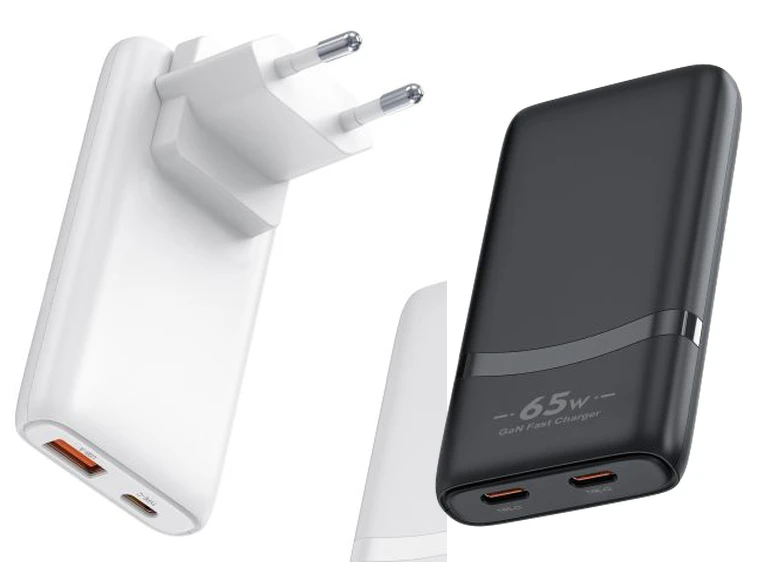
Model OPT-W005
Dual USB-C or USB-C + USB-A
Slim enclosure with folding plug design
Starting from ~$6.90
Request this model →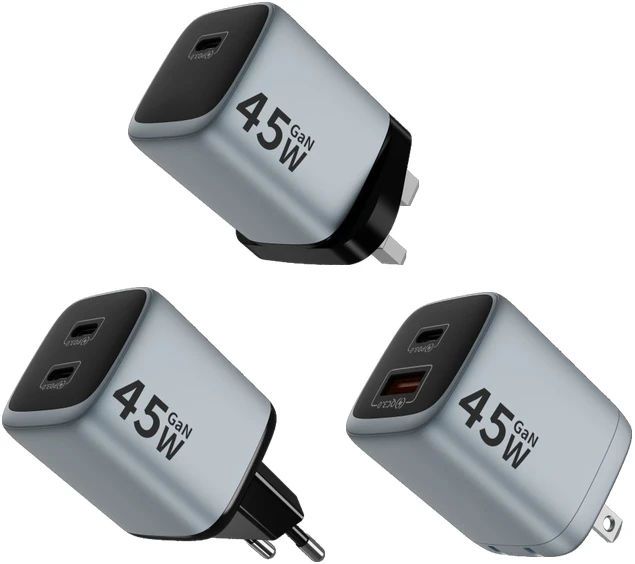
Model OPT-W006
USB-C, dual USB-C or USB-C + USB-A
Compact wall charging range
Starting from ~$4.83
Request this model →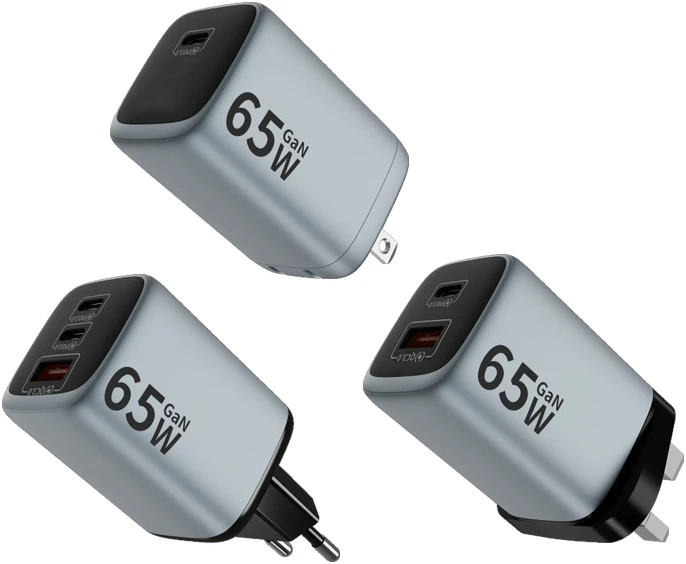
Model OPT-W007
Single- and multi-port variants
Up to 2 × USB-C + USB-A by configuration
Starting from ~$5.75
Request this model →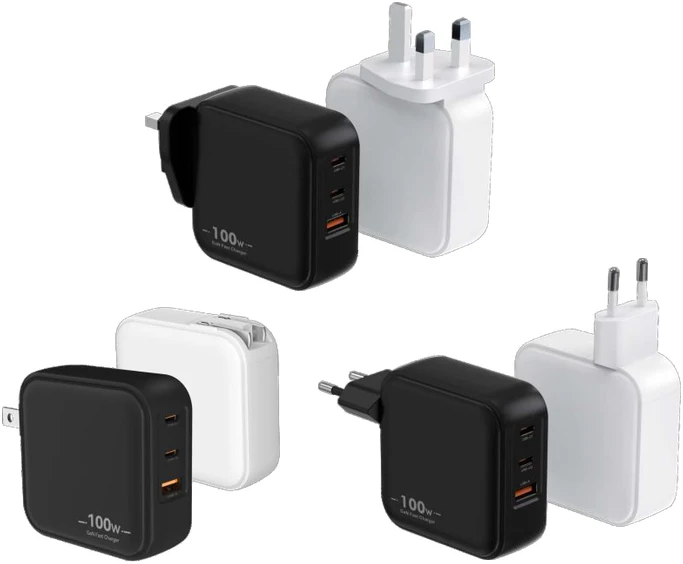
Model OPT-W008
2 × USB-C + USB-A
Laptop-oriented multi-port format
Starting from ~$13.34
Request this model →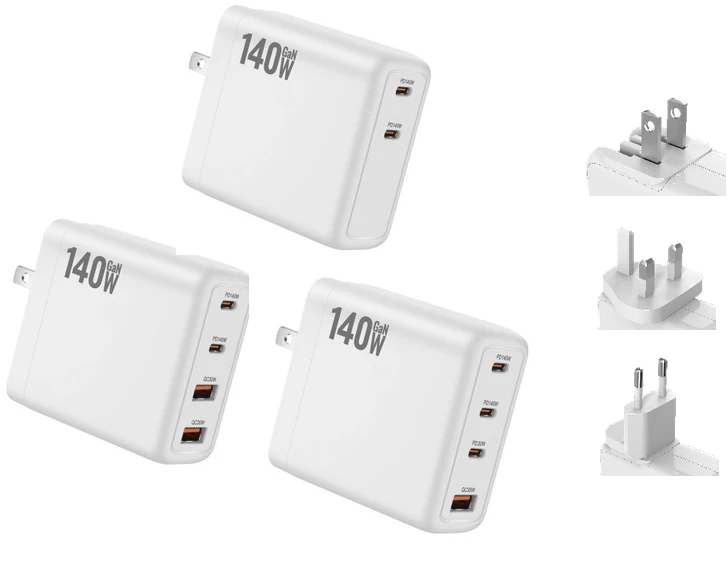
Model OPT-W009
Dual USB-C and multi-port variants
Plug variants; confirm per-port output
Starting from ~$15.07
Request this model →Display-equipped designs for a more visible charging experience.
Model OPT-W010
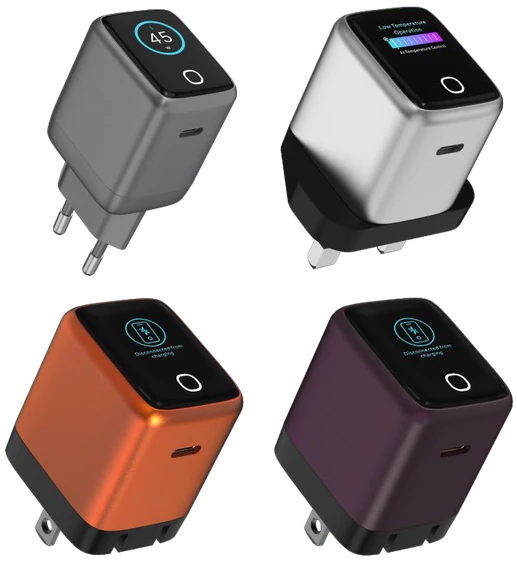
1 × USB-A
Black, white and custom color options
Starting from ~$6.10
Request this model →Model OPT-W011
2 × USB-C + USB-A
Black, white and custom color options
Starting from ~$9.55
Request this model →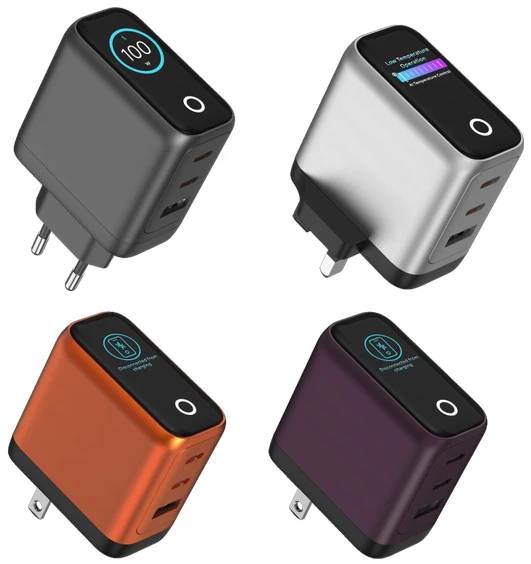
Model OPT-W012
2 × USB-C + USB-A
Black, white and custom color options
Starting from ~$14.26
Request this model →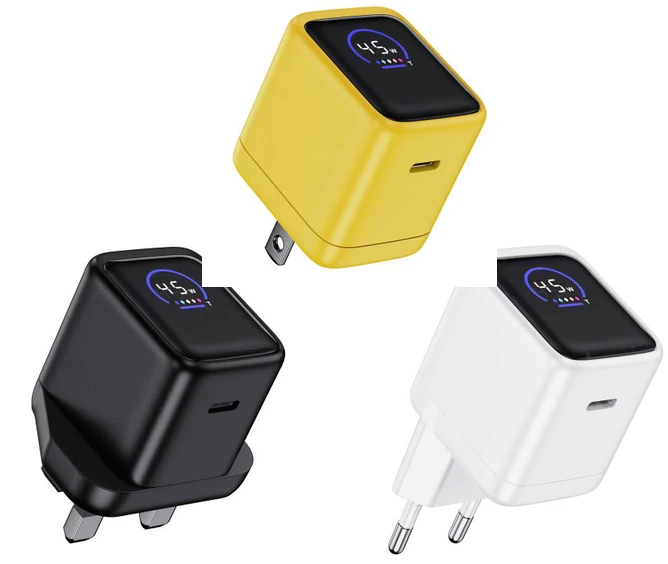
Model OPT-W013
1 × USB-C
EU, US and UK plug options
Starting from ~$4.31
Request this model →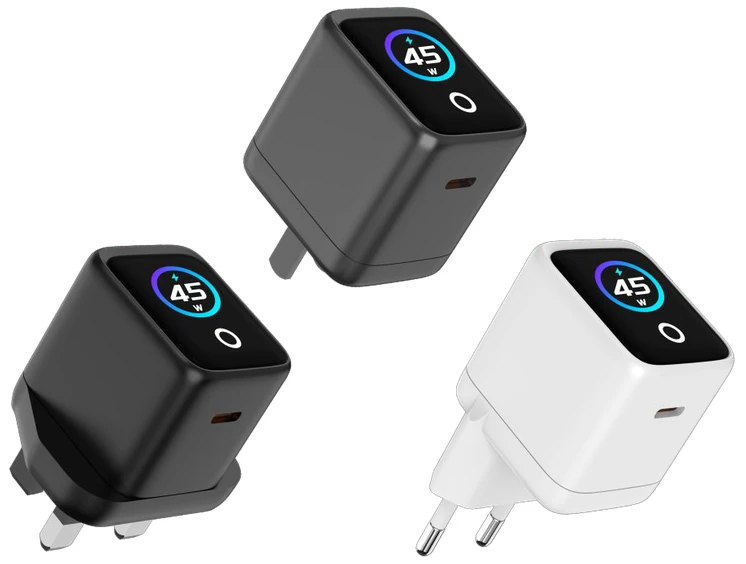
Model OPT-W014
1 × USB-C
Black, white and custom color options
Starting from ~$5.87
Request this model →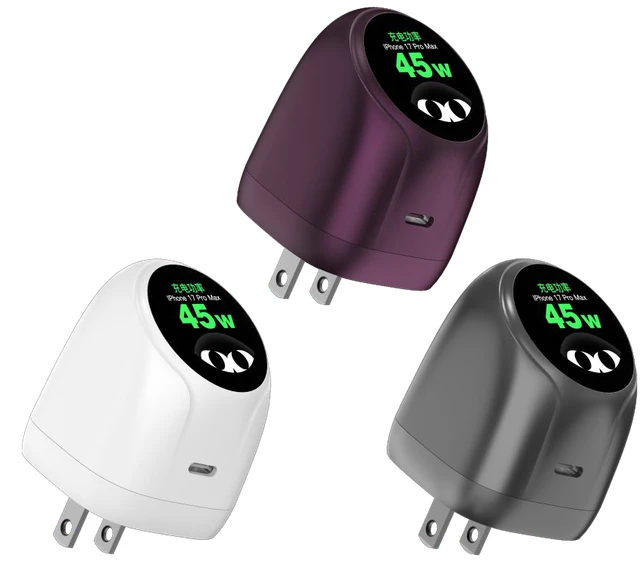
Model OPT-W015
1 × USB-C
Rounded display enclosure
Starting from ~$6.10
Request this model →Integrated cables for travel bags and everyday charging.
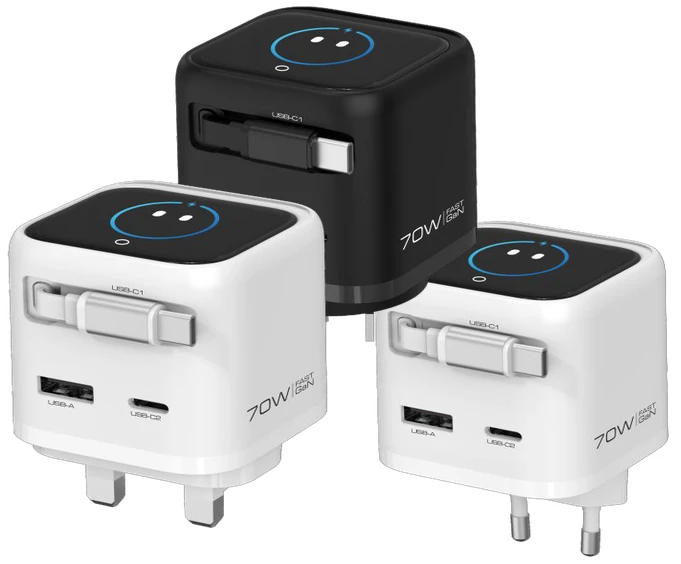
Model OPT-W016
2 × USB-C + USB-A
TFT display and integrated retractable cable
Starting from ~$14.84
Request this model →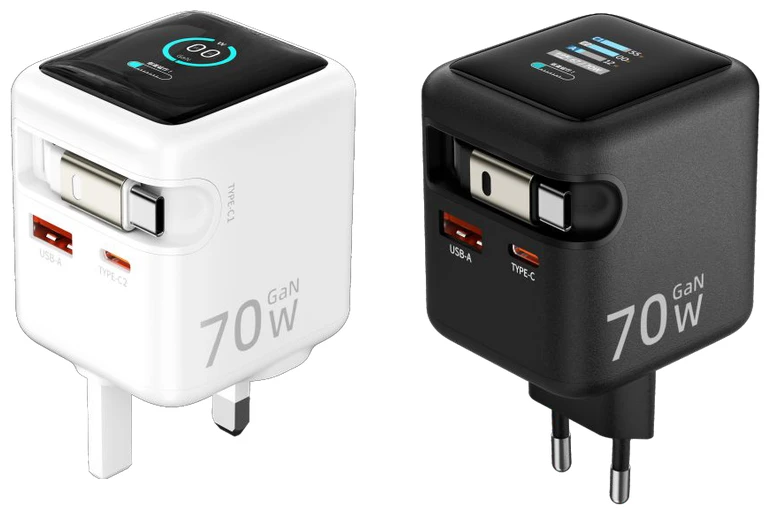
Model OPT-W017
2 × USB-C + USB-A
TFT display and integrated retractable cable
Starting from ~$16.68
Request this model →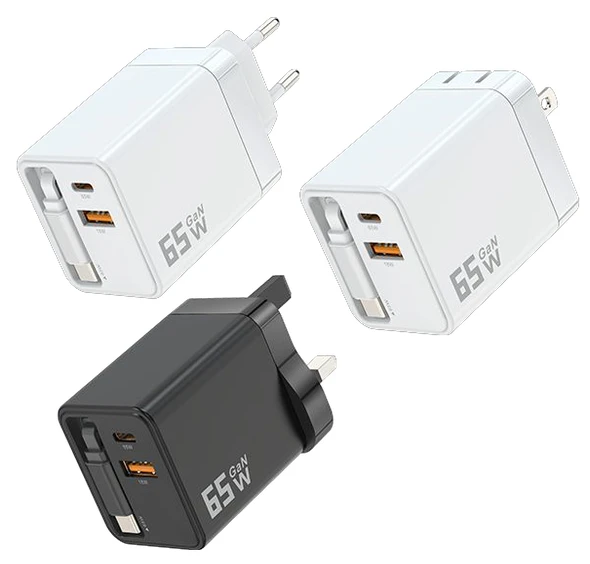
Model OPT-W018
2 × USB-C + USB-A
Integrated retractable cable
Starting from ~$7.59
Request this model →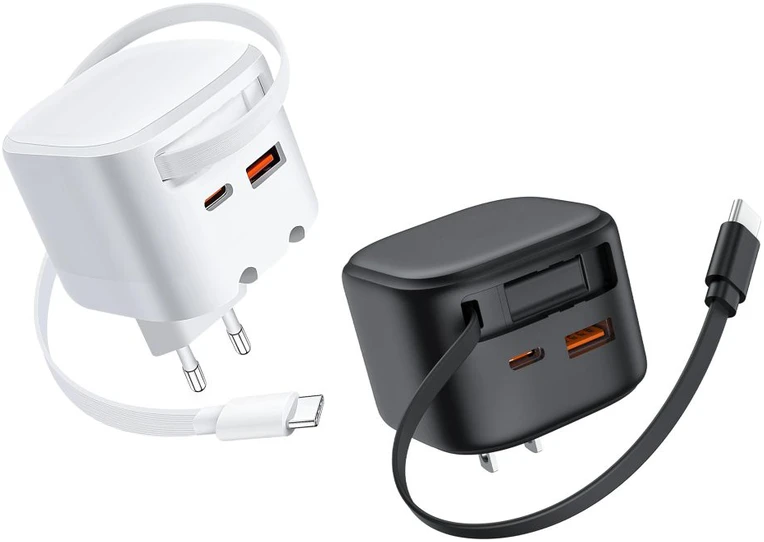
Model OPT-W019
USB-C / USB-A configuration options
Integrated retractable cable
Starting from ~$4.37
Request this model →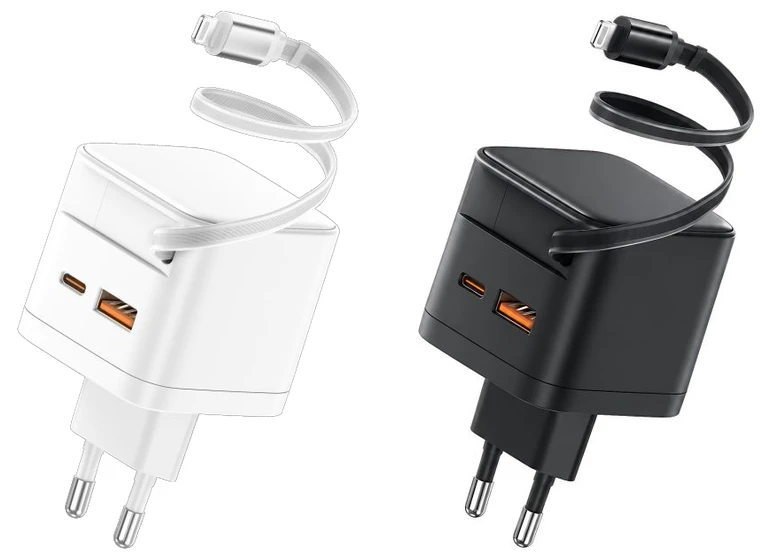
Model OPT-W020
USB-C / USB-A configuration options
Integrated retractable cable
Starting from ~$5.87
Request this model →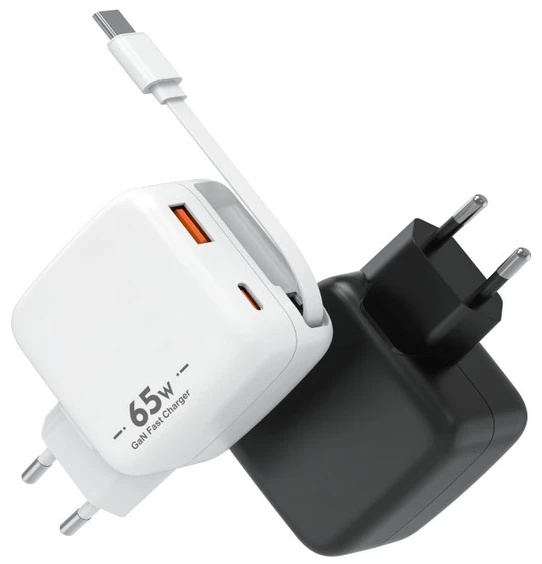
Model OPT-W021
USB-C + USB-A
Integrated retractable cable
Starting from ~$10.24
Request this model →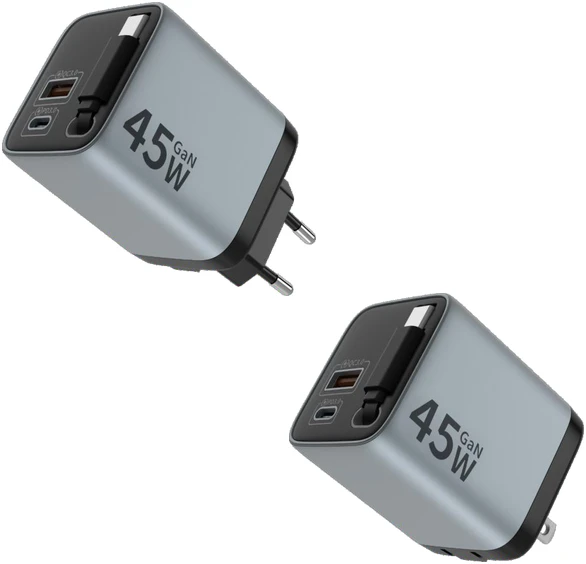
Model OPT-W022
USB-C + USB-A
Integrated retractable cable
Starting from ~$7.25
Request this model →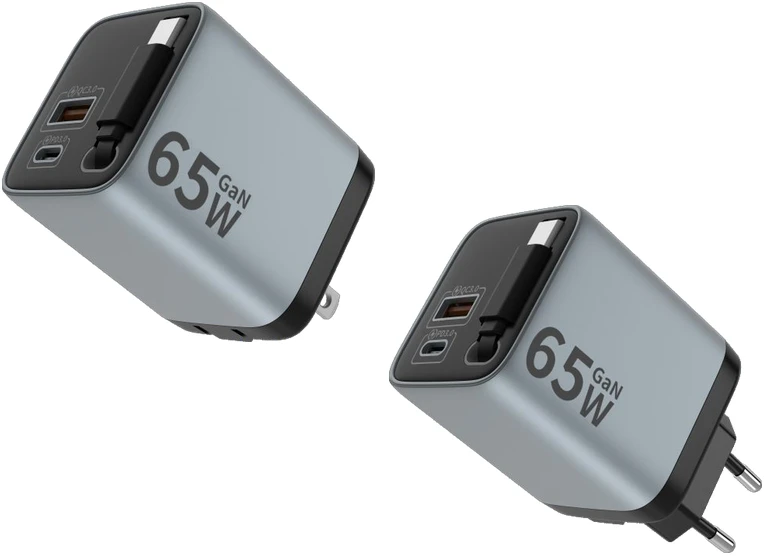
Model OPT-W023
USB-C + USB-A
Integrated retractable cable
Starting from ~$7.94
Request this model →20W–30W adapters for phone-focused product ranges.
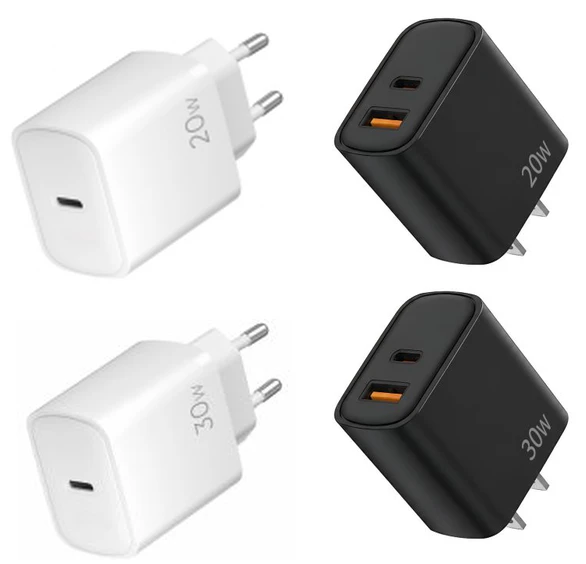
Model OPT-W024
USB-C or USB-C + USB-A variants
Compact phone charging
Starting from ~$1.46
Request this model →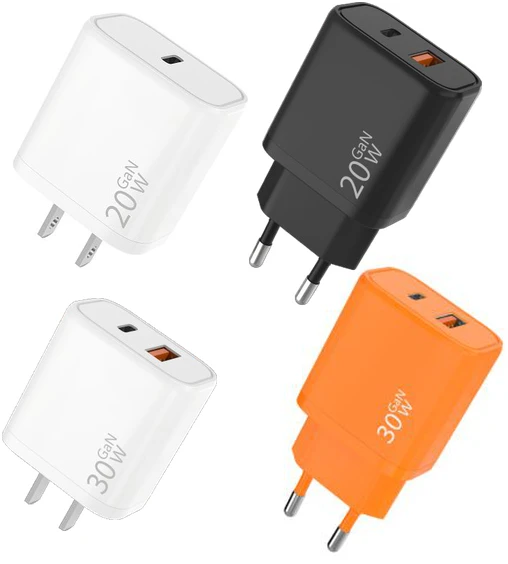
Model OPT-W025
USB-A, USB-C or combined variants
Choice of port layouts
Starting from ~$1.38
Request this model →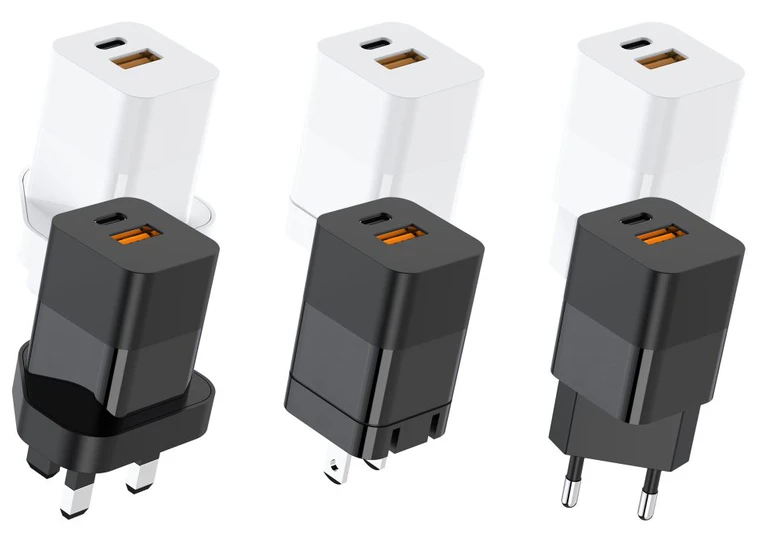
Model OPT-W026
USB-C + USB-A
Plug variants for different markets
Starting from ~$2.19
Request this model →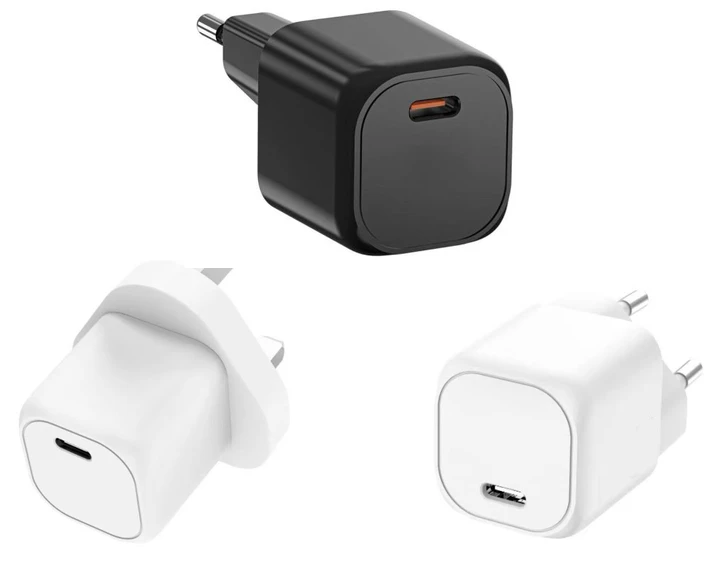
Model OPT-W027
1 × USB-C
Compact single-port design
Starting from ~$1.69
Request this model →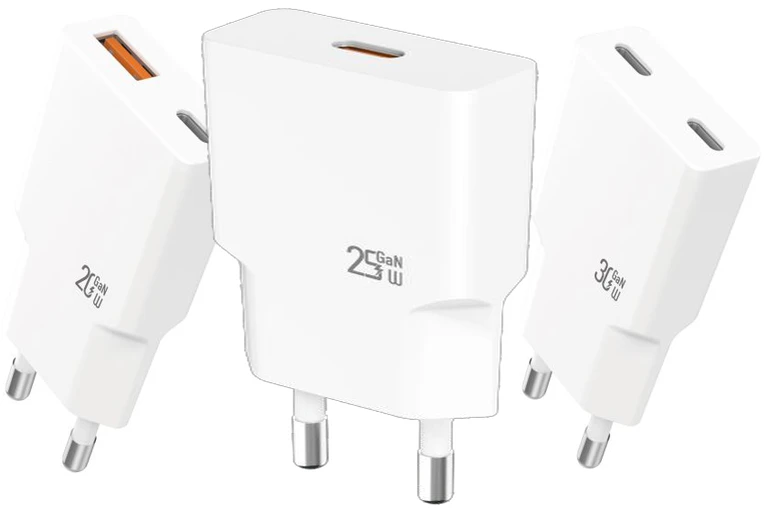
Model OPT-W028
USB-C and USB-C + USB-A variants
Power and port options by configuration
Starting from ~$2.33
Request this model →Combined charging formats; check phone and watch compatibility for the selected model.
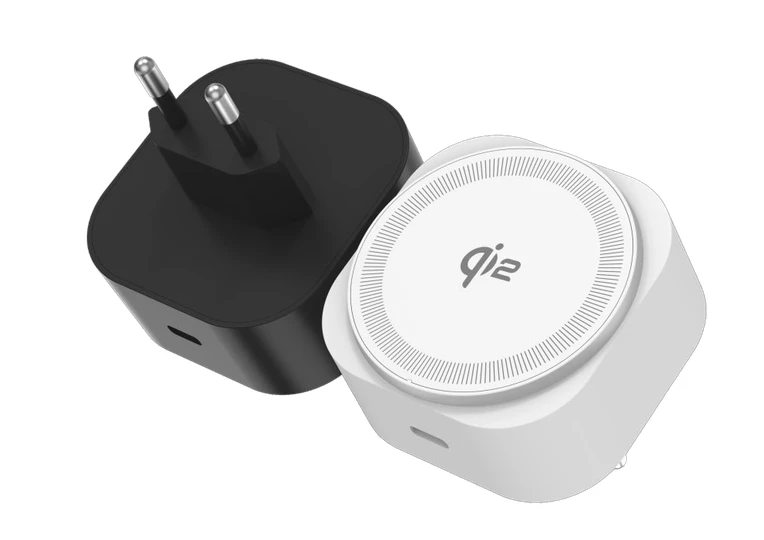
Model OPT-W029
1 × USB-C; magnetic wireless charging
Wired and wireless output depend on the device and mode
Starting from ~$7.59
Request this model →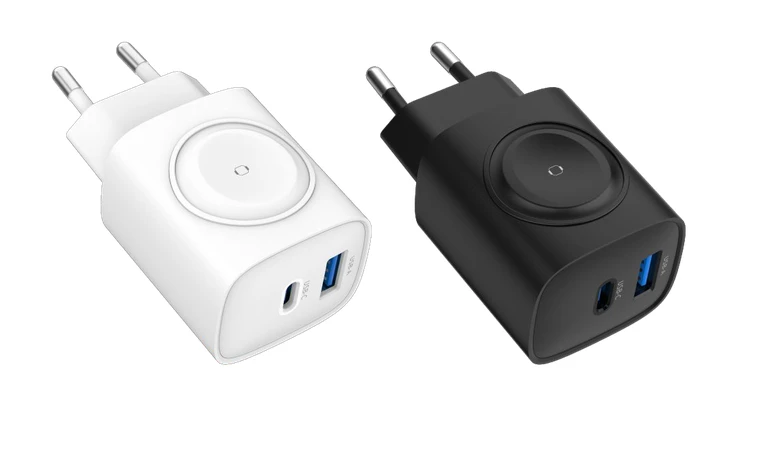
Model OPT-W030
USB-C and multi-port variants
Up to 3W watch charging; confirm watch compatibility
Starting from ~$4.49
Request this model →Starting prices are approximate USD per unit for bulk orders, typically 3,000–5,000 units, and vary by configuration, quantity and customization. Request a final quotation. Power and port options refer to available configurations, not simultaneous full output from every port. Confirm the selected plug, output profile, cable and documentation in your quotation.
Beyond the headline wattage
A “100W” label may describe one port or the combined budget. It does not tell you what happens when a customer connects a laptop and a phone together.
Read our fast charging guide →Specify the actual voltage/current profiles required by your target devices. A higher PD version number alone is not a compatibility guarantee.
Review each port’s maximum, two- and three-device combinations, and whether a new connection briefly interrupts another port.
For higher-power modes, confirm the required cable power/current rating and EPR capability where applicable. Include the cable in sample evaluation.
Evaluate charging stability, enclosure temperature and output under the intended ambient conditions and load. GaN alone does not guarantee a cooler finished product.
Choose the right project scope
Discuss logo application, finish, packaging and accessory bundles on a suitable existing charger. Confirm minimum quantities and available plug variants with the selected model.
Discuss enclosure, port layout, output or market requirements. We review feasibility and the implications for tooling, testing, cost and timing before quotation.
For an integrated product, provide input/output requirements, space limits, cooling conditions and interface needs so development scope can be assessed.
Market readiness
Request the relevant evidence for the exact model and intended destination. Agree which documents are available and which additional testing or assessment your project requires.
Samples to supply
Devices, output, ports, plugs, quantity, branding and target date.
Confirm configuration, pricing, MOQ, sample terms and documentation.
Check device combinations, power sharing, cable compatibility and finish.
Agree the production configuration, artwork and delivery requirements.
Sample availability, minimum order quantity and lead times depend on the selected platform and customization. Ask for these items in your quotation.
Get a useful quotation
A device list and expected usage are enough to begin the discussion. Add your technical brief if you already have one.
Common sourcing questions
A GaN charger uses gallium nitride power semiconductors in its power-conversion circuitry. GaN can enable compact, efficient designs, but actual efficiency, temperature and size depend on the complete product design.
Contact ONEPOINTECH to discuss an existing charger platform with your branding and packaging, or a project requiring changes to the enclosure, ports or power design. Available options, samples, minimum quantities and development scope are confirmed in the quotation.
Start with target devices and simultaneous charging needs. Compare 20W–35W for phone-focused products, 45W–65W for broader everyday use, and 100W–140W for compatible laptops. Consider display and retractable-cable options for your intended use. The output profiles and power-sharing table matter as much as the total rating.
No. GaN is a semiconductor material, not a charging protocol. USB PD version, EPR, PPS and AVS support must be checked for the selected model and port. Ask for the output profile table before approving a sample.
Do not assume it does. The headline figure may be the combined output of several ports. Confirm the maximum for each port, the allowed combinations and how output changes when another device is connected.
These depend on the platform, plug market, branding, packaging and any development work. Include your initial order quantity, forecast and required launch date in the enquiry so the quotation can address each item.
Request documents for the exact model, electrical configuration and target market. Discuss applicable safety, EMC, environmental and charging-interoperability requirements during selection. A GaN component or reference design does not establish certification of the finished charger.
Please use the enquiry route on this page for GaN charger selection, samples and bulk pricing. Our shop currently provides a separate route to existing wireless charging products.
Buying a finished product?
For GaN samples and bulk orders, use the enquiry route above. For existing wireless charging products, visit our shop and check each product’s compatibility and availability.
Browse wireless charging products ↗Understand the specification
What is a GaN charger? →Fast charging: watts, PD, PPS and AVS →Custom wireless charging projects →Technical background: USB-IF: USB Power Delivery ↗ · TI: GaN USB PD reference design ↗